Wednesday, 4 November 2009

They overcame dyslexia: Can our children?

I came across this article while surfing on the internet. I would like to express my worries and concern to those children who have learning disabilities especially dyslexic children as current approach and the mainstream education system are not supporting and effective enough, leaving these children struggling.

May Allah gives me the strength to be part of the society and people, to continue giving my effort and support these children (with learning disabilities) and parents as well.

We need to be creative and open to new reading techniques. There is no “one size fits all” approach when it comes to teaching children with learning disabilities. The teachers must be aware of successful strategies used by other parties.

The phonemic and phonic techniques in my opinion, are among of the best reading techniques. Half of my students with learning disabilities especially dyslexic children are able to read and write as well, now....alhamdulillah.

Please read this article and share with me the concerns. Don't wait for miracles to happen, but efforts have to be done.


Wednesday, November 04, 2009, 11.03 PM


They overcame dyslexia: Can our children?


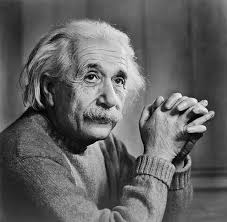
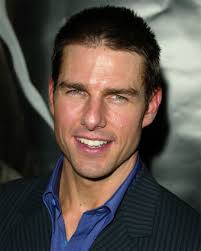
ALBERT Einstein, Tom Cruise and Walt Disney had it. And so do 314,000 Malaysian schoolchildren. This may translate to just five per cent of the school population but there is potential in these children that can be tapped.

However, the mainstream education system is not structured to support their learning needs, says Malaysian Dyslexia Association president Sariah Amirin.

There is potential in these children that can be tapped, but the mainstream education system is not structured to support their learning needs in a more effective manner, says Malaysian Dyslexia Association president Sariah Amirin.

The Education Ministry acknowledges the needs of this group of learners and has in place some initiatives to support them within the mainstream education, but these are not enough and not implemented in the right manner, says Sariah.

“The school as an institution must be able to manage different behavioural responses to learning, but our schools are failing in this aspect, especially with dyslexic children.”

Children with dyslexia are limited only by their inability to read and write which are the fundamentals in learning. Their reading ability does not match their age and IQ level which is average or above average.

Some of these children might be unable to perform a simple reading task but have good command of the spoken language. They also excel in maths, science, art and music.

“In spite of the language difficulties they face, they are intelligent and capable.

“Children with dyslexia can benefit if their disability is identified early and appropriate help in reading and writing is extended to them.”

Unlike those with Down’s syndrome, cerebral palsy and epilepsy, children with dyslexia can go to university, work and contribute to the economy and society.

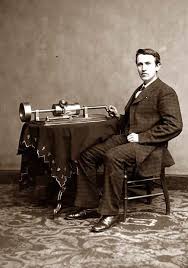
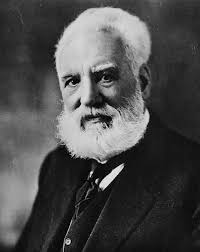
“If we pay more attention to these children, we could have our very own Steve Jobs, Tom Cruise, Walt Disney or Albert Einstein, Thomas Alva Edison, Alexander Graham Bell or Pablo Picasso — famous personalities who are known to have this learning disability,” Sariah says.

“The Permata Pintar programme initiated by Datin Seri Rosmah Mansor, the wife of the prime minister, is a crucial plan to improve the quality of the nation’s human capital,” says Sariah.

“It aims to identify as many gifted and talented children as possible regardless of race or religion or school. It will be fitting if this programme is extended to children with dyslexia.”,” she says.

Sariah says the current approach in school is not effective, leaving many children with dyslexia struggling. through school with minimal help. When their learning ways are not addressed, it leads to anti-social behaviour.

“Ask any parent who has school-going children with dyslexia and they will tell you about their child’s frustrations. in not being able to cope. with their peers. This could lead to social, emotional as well as behavioural problems. Some refuse to attend school or play truant.”

The ministry launched the Dyslexia Pilot School Programme in 2004. It is conducted to help children with dyslexia better cope with lessons conducted by teachers trained in the field of dyslexia.

Starting with Sekolah Kebangsaan Taman Tun Dr Ismail (2), it involved more than 30 primary schools nationwide. And according to plans, some 100 primary schools should have this programme in place by next year.

However, Sariah says, full implementation never took place as planned.

“Although on paper some 60 schools should have this programme by now, in reality, we only know of three schools — SK Taman Tun Dr Ismail (2), SK Jalan Air Panas and SK Taman Maluri — which are actively following the programme.” The reason: the programme has not been well-received by some school principals and teachers.

“As the lead person personnel in the school, a principal must provide the necessary support for teachers to carry out the programme, but this is not happening in many schools,” says Sariah.

“They stand guilty of depriving intellectually capable children of opportunities to learn. Without their support, teachers, although trained in the area, are not able to put their knowledge into practice, for the benefit of the children.”

“Every child, the able as well as the disabled, has a right to education and it is the school’s responsibility to provide opportunities for learning.” without discrimination.Sariah says.

Sariah also claims that not much effort is made to support children with dyslexia in secondary schools or those in rural areas.

Another major concern is the shortage of specialist dyslexia teachers. There are only about 100 such trained teachers, but not all are involved in teaching children with dyslexia as they are given other responsibilities or promoted.

“The ministry needs to ensure teachers with the expertise continue to serve in the field they were trained,” she says.

The association wants a compulsory module on dyslexia to be included in the teacher training courses at colleges and universities as is being done in other countries.

“Only then by this approach can we ensure all teachers know how to help children with this learning disability.”

Sariah, who has more than 40 years’ experience dealing with children with learning disabilities, also suggests that teacher training institutes have a hands-on training approach in dealing with children with learning disabilities.

“All cannot be achieved by sitting in the comfort of a lecture room and learning teaching theories. The more practical knowledge trainee teachers have, the better they will become.”

The teachers need to be creative. There is no “one size fits all” approach when it comes to teaching children with learning disabilities. They must be aware of successful strategies used by other teachers.

But sadly, most of our teachers, have a preset approach to teaching and refuse to change their ways. It stems, she says, from a lack of passion and dedication to their jobs.

Specialised help at a very early age is another suggestion by the association.

This can prevent long-term-reading problems among children. The ideal window of opportunity for addressing reading difficulties, according to research, is at kindergarten level.

Currently, a Year One pupil is screened with the help of a dyslexia checklist (Instrumen Senarai Semak Disleksia) only after six months into school based on a teacher’s recommendation.

If a child is found to be at risk, he or she will be placed in an Early Intervention Class (Kelas Intervensi Awal) in Year Two.

“Remediation only begins in Year Two and by then, it becomes much more difficult for the child to keep up with schoolwork and their peers. It also becomes much more difficult for teachers.

The right approach is to intervene as early as in kindergarten. where a child begins to learn how to read.

The government must ensure all preschoolers are tested to identify learning disabilities.”

Kindergarten teachers must be trained to look out for early warning signs.

Time is of essence in developing reading skills especially for children with dyslexia.”

The association wants to work closely with the ministry to quickly resolve the many problems. faced by children with dyslexia, their parents and teachers.

“It would be ideal if the association is allowed to set up a dyslexia learning centre in one school in every district.

Together with the ministry, we can extend help and mobilise expertise to teach these children.”

A similar approach is used in Singapore where the move has enabled more children to have access to specialised remediation programmes. It has also made it convenient to train and support parents and teachers.

The association conducts seminars and workshops on dyslexia and other specific learning disabilities. It also conducts tests to diagnose dyslexia. The association has trained teachers who run small group tuition classes for children with dyslexia.

Contact the Malaysian Dyslexia Association at www.mydyslexia/persatuan or email: dyslexiaft@time.net.my

Thursday, 29 October 2009

What Is Dyslexia?


Simple Definition

Dyslexia is an inherited condition that makes it extremely difficult to read, write, and spell in your native language despite at least average intelligence.


Revised definition from the International Dyslexia Association

Dyslexia is a neurologically-based, often familial, disorder which interferes with the acquisition and processing of language. Varying in degrees of severity, it is manifested by difficulties in receptive and expressive language, including phonological processing, in reading, writing, spelling, handwriting, and sometimes in arithmetic.


Research definition used by the National Institutes of Health

Dyslexia is a specific learning disability that is neurological in origin.

It is characterized by difficulties with accurate and/or fluent word recognition, and by poor spelling and decoding abilities.

These difficulties typically result from a deficit in the phonological component of language that is often unexpected in relation to other cognitive abilities and the provision of effective classroom instruction.

Secondary consequences may include problems in reading comprehension and reduced reading experience that can impede growth of vocabulary and background knowledge.


Cause of Dyslexia

Dyslexia is an inherited condition. Researchers have determined that a gene on the short arm of chromosome #6 is responsible for dyslexia. That gene is dominant, making dyslexia highly heritable. It definitely runs in families.


Dyslexia results from a neurological difference; that is, a brain difference. People with dyslexia have a larger right-hemisphere in their brains than those of normal readers. That may be one reason people with dyslexia often have significant strengths in areas controlled by the right-side of the brain, such as artistic, athletic, and mechanical gifts; 3-D visualization ability; musical talent; creative problem solving skills; and intuitive people skills.

In addition to unique brain architecture, people with dyslexia have unusual "wiring". Neurons are found in unusual places in the brain, and are not as neatly ordered as in non-dyslexic brains.


In addition to unique brain architecture and unusual wiring, studies have shown that people with dyslexia do not use the same part of their brain when reading as other people. Regular readers consistently use the same part of their brain when they read. People with dyslexia do not use that part of their brain, and there appears to be no consistent part used among dyslexic readers.

It is therefore assumed that people with dyslexia are not using the most efficient part of their brain when they read. A different part of their brain has taken over that function.


Reference:
Bright Solutions for Dyslexia, Inc.
2059 Camden Ave. Suite 186
San Jose, CA 95124

email: info@BrightSolutions.US

37 Common Characteristics of Dyslexia

Article written by: Ronald D. Davis, 1992.

Most dyslexics will exhibit about 10 of the following traits and behaviors. These characteristics can vary from day-to-day or minute-to-minute. The most consistent thing about dyslexics is their inconsistency.


General

  • Appears bright, highly intelligent, and articulate but unable to read, write, or spell at grade level.
  • Labelled lazy, dumb, careless, immature, "not trying hard enough," or "behavior problem."
  • Isn't "behind enough" or "bad enough" to be helped in the school setting.
  • High in IQ, yet may not test well academically; tests well orally, but not written.
  • Feels dumb; has poor self-esteem; hides or covers up weaknesses with ingenious compensatory strategies; easily frustrated and emotional about school reading or testing.
  • Talented in art, drama, music, sports, mechanics, story-telling, sales, business, designing, building, or engineering.
  • Seems to "Zone out" or daydream often; gets lost easily or loses track of time.
  • Difficulty sustaining attention; seems "hyper" or "daydreamer."
  • Learns best through hands-on experience, demonstrations, experimentation, observation, and visual aids.


Vision, Reading, and Spelling

  • Complains of dizziness, headaches or stomach aches while reading.
  • Confused by letters, numbers, words, sequences, or verbal explanations.
  • Reading or writing shows repetitions, additions, transpositions, omissions, substitutions, and reversals in letters, numbers and/or words.
  • Complains of feeling or seeing non-existent movement while reading, writing, or copying.
  • Seems to have difficulty with vision, yet eye exams don't reveal a problem.
  • Extremely keen sighted and observant, or lacks depth perception and peripheral vision.
  • Reads and rereads with little comprehension.
  • Spells phonetically and inconsistently.


Hearing and Speech

  • Has extended hearing; hears things not said or apparent to others; easily distracted by sounds.
  • Difficulty putting thoughts into words; speaks in halting phrases; leaves sentences incomplete; stutters under stress; mispronounces long words, or transposes phrases, words, and syllables when speaking.


Writing and Motor Skills

  • Trouble with writing or copying; pencil grip is unusual; handwriting varies or is illegible.
  • Clumsy, uncoordinated, poor at ball or team sports; difficulties with fine and/or gross motor skills and tasks; prone to motion-sickness.
  • Can be ambidextrous, and often confuses left/right, over/under.


Math and Time Management

  • Has difficulty telling time, managing time, learning sequenced information or tasks, or being on time.
  • Computing math shows dependence on finger counting and other tricks; knows answers, but can't do it on paper.
  • Can count, but has difficulty counting objects and dealing with money.
  • Can do arithmetic, but fails word problems; cannot grasp algebra or higher math.


Memory and Cognition

  • Excellent long-term memory for experiences, locations, and faces.
  • Poor memory for sequences, facts and information that has not been experienced.
  • Thinks primarily with images and feeling, not sounds or words (little internal dialogue).


Behavior, Health, Development and Personality

  • Extremely disorderly or compulsively orderly.
  • Can be class clown, trouble-maker, or too quiet.
  • Had unusually early or late developmental stages (talking, crawling, walking, tying shoes).
  • Prone to ear infections; sensitive to foods, additives, and chemical products.
  • Can be an extra deep or light sleeper; bedwetting beyond appropriate age.
  • Unusually high or low tolerance for pain.
  • Strong sense of justice; emotionally sensitive; strives for perfection.
  • Mistakes and symptoms increase dramatically with confusion, time pressure, emotional stress, or poor health.


Common Signs of Untreated Dyslexia

Early Years (ages 4 -5)

  1. Trouble remembering the names of the days of the week and months of the year.

  2. Trouble following directions (especially multiple instructions).

  3. Has speech problems (usually, but not always, had many ear infections in their first few years of life).

  4. Trouble making up rhymes.

  5. Trouble memorizing words to songs.


Middle Years (6-9)

  1. Reverses letters and numbers (normally 'b' and 'd', '6' and '9).

  2. When reading, may skip words (strangely, it is usually the smaller, easier words that get skipped).

  3. When reading, may substitute a word that has the same or similar meaning. For example, they may see the word "gigantic", but may say "big" or "large".

  4. When reading, may see the first letter of a word and take a wild guess, out of context, based on that first letter; for example, they may see a word like "prairie" and say "palace".

  5. When reading, will change letters within words, such as "calm" to "clam".

  6. Forgets to add prefixes or suffixes when writing. For example, they may forget to add the 'ed' to make a word past tense.

  7. In the classroom, may have trouble copying from the board.

  8. Doesn't always write sounds from left to right; for example, may spell "to' as "ot.

  9. Poor reading comprehension.

  10. Trouble memorizing math facts.

  11. Delayed in telling time (on an analog clock).

  12. Switches their dominant hand for some tasks; for example, they may write with their right hand, but do cartwheels left-handed.


Later Years (10 to adult)

  1. Takes poor notes in the classroom.

  2. Has trouble articulating; jumbles up words or has trouble searching for the right word.

  3. Avoids reading, or reads very slowly in a monotone voice.

  4. Has difficulty with foreign languages.

  5. Writing is very simplistic, handwriting is usually messy.

  6. Trouble organizing.


messy handwriting


What does a dyslexic person see when she reads?


Severe dyslexia is caused by disorientation, which for dyslexic people means that they have an innacurate perception of the words. That is, they might see the letters of the words jumbled around in all sorts of different ways. There is no way that a dyslexic person who suffers from this sort of disorientation can ever remember a word, because the word seems different every time they look at it.


There is no single pattern of difficulty that affects all dyslexic people. A dyslexic person might have any of the following problems:

  • She might see some letters as backwards or upside down;
  • She might not be able to tell the difference between letters that look similar in shape such as o and e and c ;
  • She might not be able to tell the difference between letters that have similar shape but different orientation, such as b and p and d and q ;
  • The letters might look all jumbled up and out of order;
  • The letters and words might look all bunched together;
  • The letters of some words might appear completely backwards, such as the word bird looking like drib
  • The letters and words might look o.k., but the dyslexic person might get a severe headache or feel sick to her stomach every time she tries to read;
  • She might see the letters o.k., but not be able to sound out words -- that is, not be able to connect the letters to the sounds they make and understand them;
  • She might be able to connect the letters and sound out words, but not recognize words she has seen before, no matter how many times she has seen them -- each time she would have to start fresh;
  • She might be able to read the words o.k. but not be able to make sense of or remember what she reads, so that she finds herself coming back to read the same passage over and over again.

The dyslexic people might see the letters of the words
jumbled around in all sorts of different ways.


Reference:
Davis Dyslexia Association International
URL: http://www.dyslexia.com
email: ddai@dyslexia.com


Famous People With The Gift Of Dyslexia

Here are the names of some of the many talented and accomplished individuals who are dyslexic, or had traits associated with dyslexia or related learning styles.

Inventors & Scientists:

  • Thomas Edison
  • Alexander Graham Bell
  • Albert Einstein
  • Paul MacCready - "Engineer of the Century"
  • Pierre Curie - Physicist (1903 Nobel Prize)

Law & Justice:

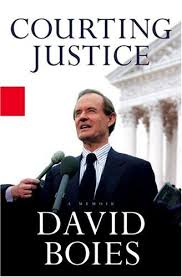
  • David Boies - Attorney
  • Jeffrey H. Gallet - Judge

Artists, Entertainers, Designers, & Architects:

  • Pablo Picasso
  • Leonardo da Vinci
  • Jorn Utzon - Architect who designed Sydney Opera House
  • Whoopi Goldberg
  • Tom Cruise
  • Robin Williams
  • Keanu Reeves
  • Loretta Young
  • Cher
  • John Lennon

Political Leaders:

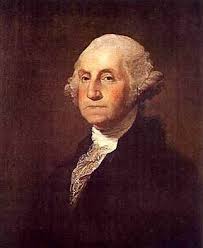
  • George Washington
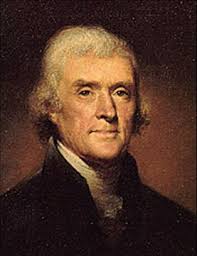
  • Thomas Jefferson
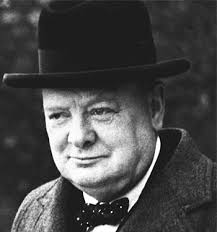
  • Winston Churchill
  • John F. Kennedy

Entrepreneurs & Business Leaders:

  • Sir Richard Branson
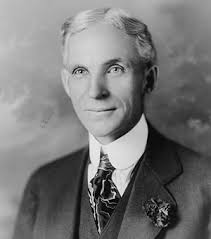
  • Henry Ford
  • William Hewlett
  • David Neeleman

Writers:

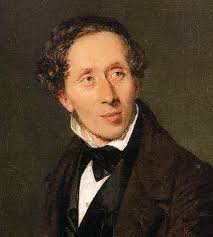
  • Hans Christian Anderson
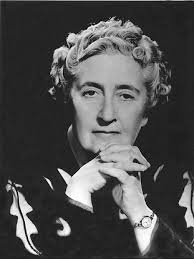
  • Agatha Christie
  • Stephen Cannell
  • Terry Goodkind

Related Posts with Thumbnails